
TL;DR
| Question | Answer |
|---|---|
| Is there a single best marketing AI agent? | No — pick the right category before you pick the tool |
| Categories worth knowing | Full-stack agents, ecommerce attribution, B2B revenue, warehouse-native BI copilots |
| Most common procurement mistake | Buying an ecommerce attribution tool for a B2B team (or vice versa) |
| What to check on every vendor | Cross-source reach, plain-English handling, query transparency, read-only safety, honest positioning |
| Where Sequel fits | Channel-agnostic, warehouse-native — works for both ecommerce and B2B |
Growth marketers in 2025 keep landing on the same sentence in different threads: "I'm spending thousands a month on marketing tools and still feel like I'm drowning." That feeling explains why the "marketing AI agent" category exists in 2026. Every layer of the marketing stack now has an AI agent stapled to it, and most of them claim to do roughly the same thing.
This article is a buyer-side comparison of the eighteen marketing AI agents worth knowing about in 2026, grouped by what they actually do. There is no single best tool. There are good tools for ecommerce attribution, good tools for B2B revenue, good tools for general warehouse questions, and good tools for full-stack marketing teams that want one assistant for everything. Picking the wrong category is the single most common procurement mistake.
The shortlist below is sourced from product roundups on Tofu HQ, Cometly, Domo, Gartner Peer Insights, and CMSWire, plus eighteen verified vendor sites and the Reddit threads where marketers actually compare these tools. For the foundational guide, see our complete guide to AI agents for marketing analytics.
How we picked
Six criteria, applied to every tool below.
- Real cross-source reach. Does it connect to at least three of GA4, HubSpot, Stripe, Google Ads, Meta Ads, and a warehouse, or does it live inside one platform?
- Plain-English question handling. Can a non-SQL user ask a real question and get a real answer, or is it a button-driven workflow tool with an AI label?
- Transparency. Does it show you the underlying query, calculation, or data source for every answer? If not, you cannot audit it.
- Read-only safety. Does it default to read-only access, or does it require write credentials it does not actually need?
- Honest positioning. Does the vendor describe the limits of the tool, or does the marketing copy promise "autonomous everything"?
- Vertical fit. Does it actually work for the type of marketing your team does, or are you a B2B SaaS shopping for what is fundamentally an ecommerce attribution agent?
The four categories
Marketing AI agents fall into four categories. Mixing them is fine. Confusing them is expensive.
| Category | What it does | Best for | Watch out for |
|---|---|---|---|
| Full-stack marketing AI agents | One agent across CRM, ads, content, and analytics | Mid-market and enterprise teams that want one assistant | Lock-in to the vendor's data model |
| Channel-specific / attribution agents | Optimize ad spend against revenue, often with a proprietary pixel | Ecommerce brands with $100K+/mo media spend | Proprietary pixel changes who owns the data |
| BI and data-analyst copilots | Answer general data questions inside a BI tool or notebook | Teams with a warehouse and a SQL-capable analyst | Marketing-specific context has to be modeled in |
| Vertical agents (B2B, ecommerce, agencies) | Deep fit for one motion | Teams whose motion matches the vertical exactly | Painful to outgrow if your motion shifts |
Sequel sits across full-stack and BI copilot. It works for ecommerce and B2B because it queries your existing data sources directly instead of forcing a vertical-specific model. More on positioning in the closing section.
Full-stack marketing AI agents
These tools try to be the one AI agent your marketing team needs.
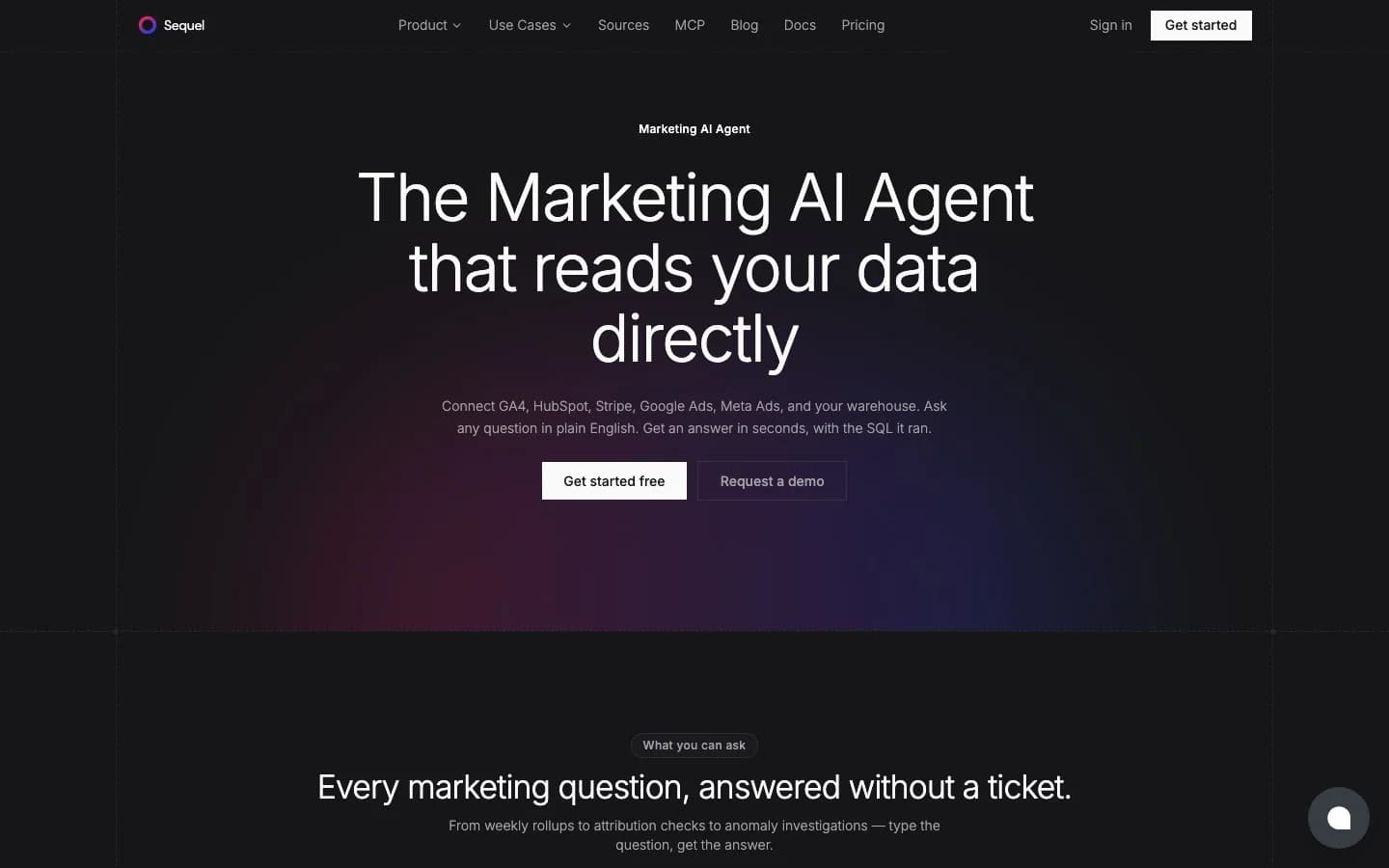
Sequel is a channel-agnostic, warehouse-native marketing AI agent. It connects to GA4, HubSpot, Stripe, Google Ads, Meta Ads, Mixpanel, Amplitude, BigQuery, Snowflake, Redshift, ClickHouse, Postgres, MySQL, and more — then answers questions in plain English by querying the data where it lives. The difference from the rest of this category is that there is no proprietary pixel, no forced data model, and no vertical assumption: it works for ecommerce, B2B SaaS, or a hybrid motion. Read-only by default, with every query and API call exposed. Get started free and connect your first source in under ten minutes.
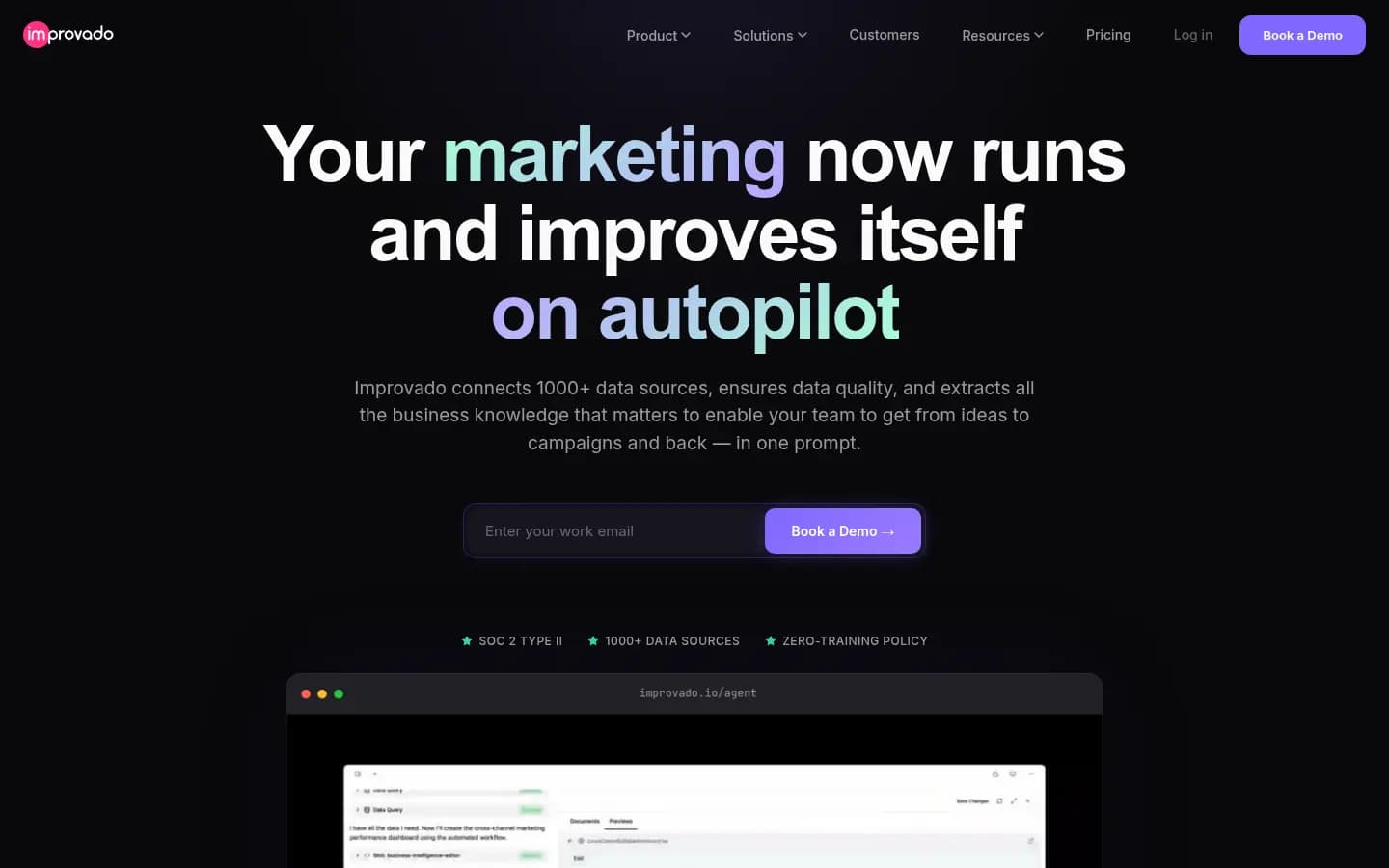
Improvado describes itself as "the AI agent that connects, analyzes, creates, and optimizes." It connects to over a thousand data sources, supports natural-language querying, runs A/B tests, and generates creative. It is one of the closest fits to a channel-agnostic full-stack agent in 2026. The catch is that it is enterprise-only, with pricing that opens at "contact sales" and a deployment that usually involves their data engineering team.
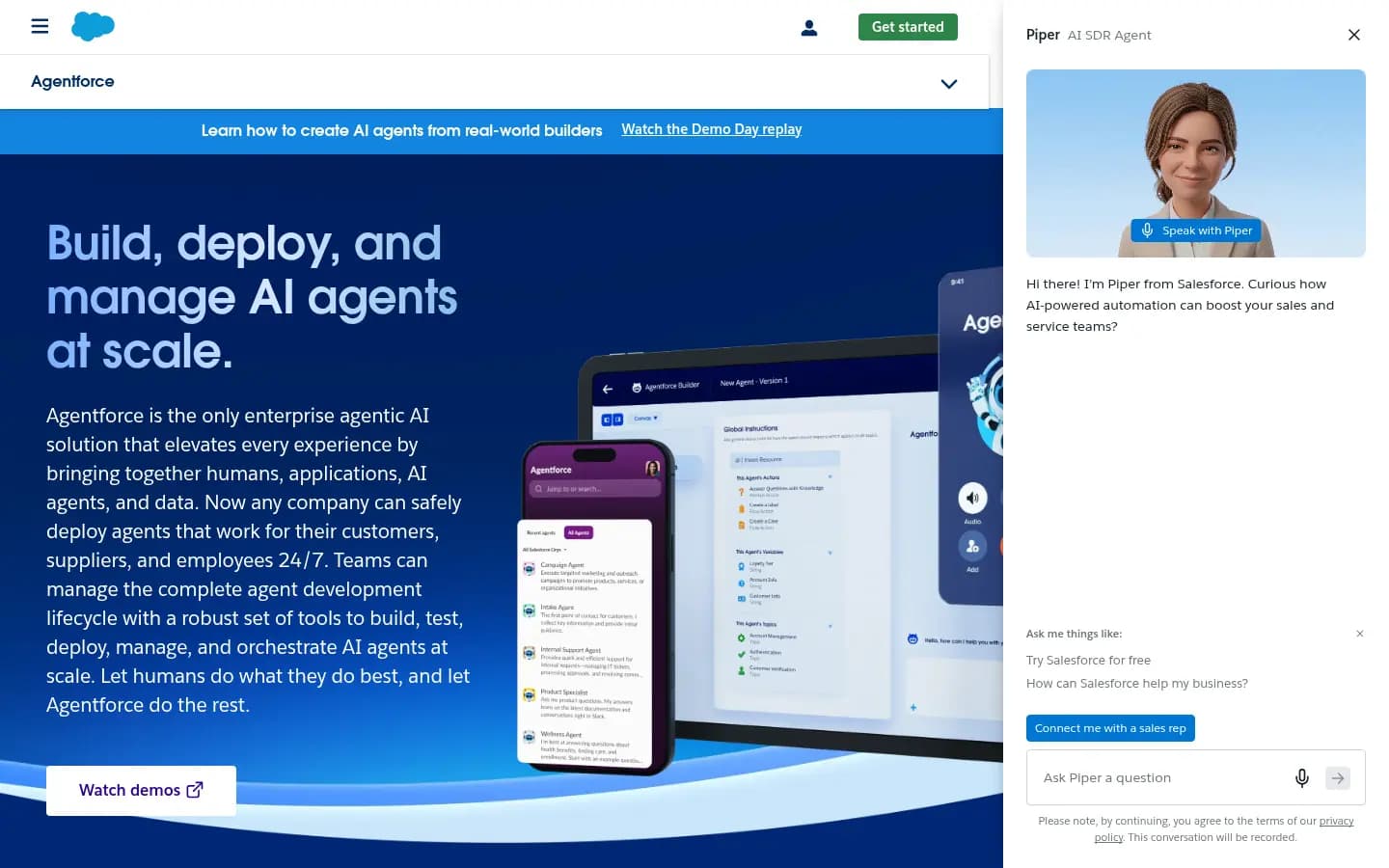
Salesforce Agentforce runs autonomous marketing agents on top of Salesforce CRM and Data Cloud. The advantage is depth of integration with the Salesforce stack. The disadvantage is depth of integration with the Salesforce stack: if you do not already live in Salesforce, the payoff drops fast.
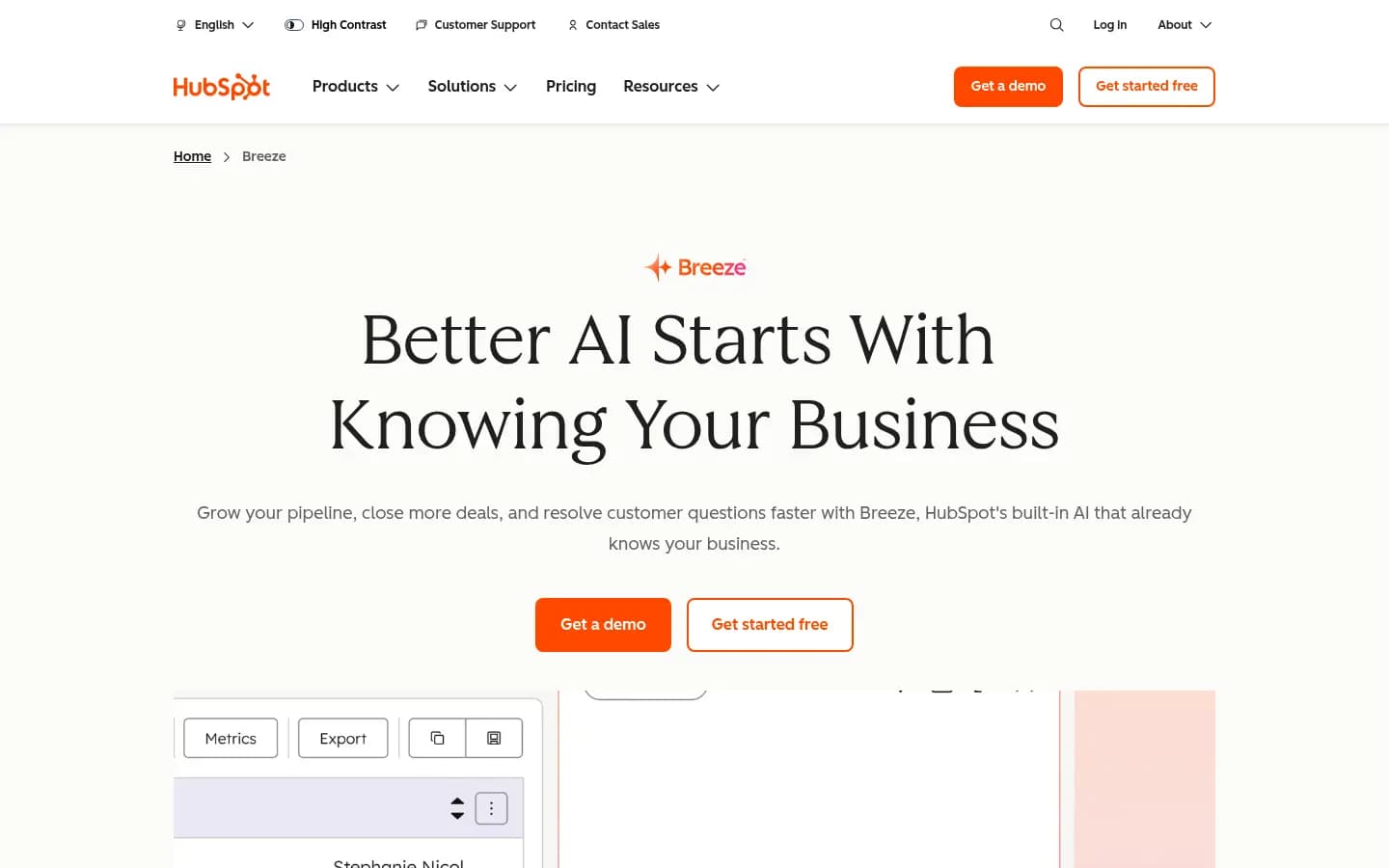
HubSpot Breeze AI ships as an embedded layer across every HubSpot hub. For HubSpot-first SMB teams, it is the easiest path to AI features in their existing workflow. For teams whose marketing data lives outside HubSpot, it solves only the part of the problem inside HubSpot.
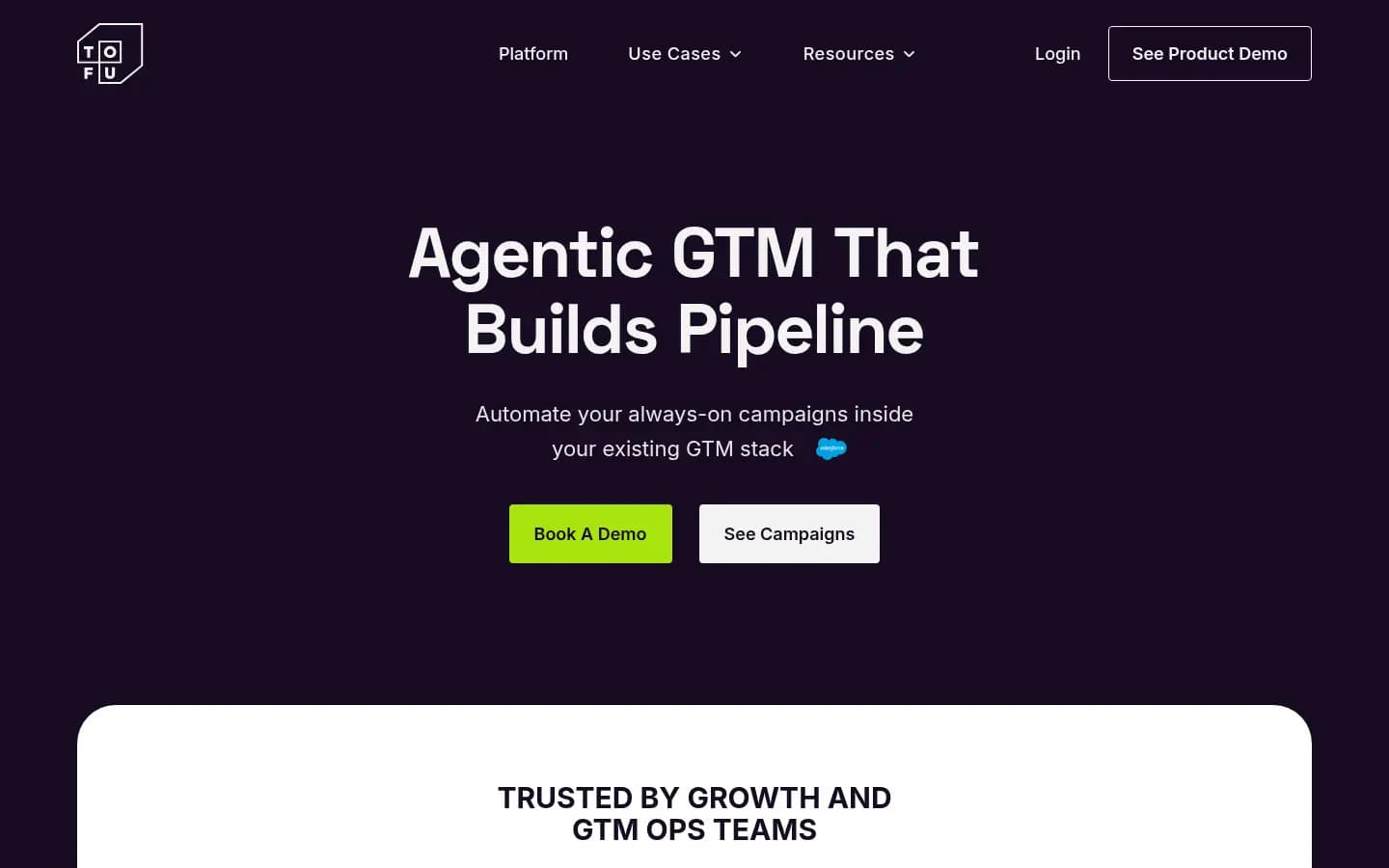
Tofu focuses on B2B campaign personalization with an AI knowledge graph for account-based marketing. It connects to Salesforce, HubSpot, and the major ad platforms, and the positioning around personalization at scale is real. Strong for ABM-heavy B2B; weaker for ecommerce.
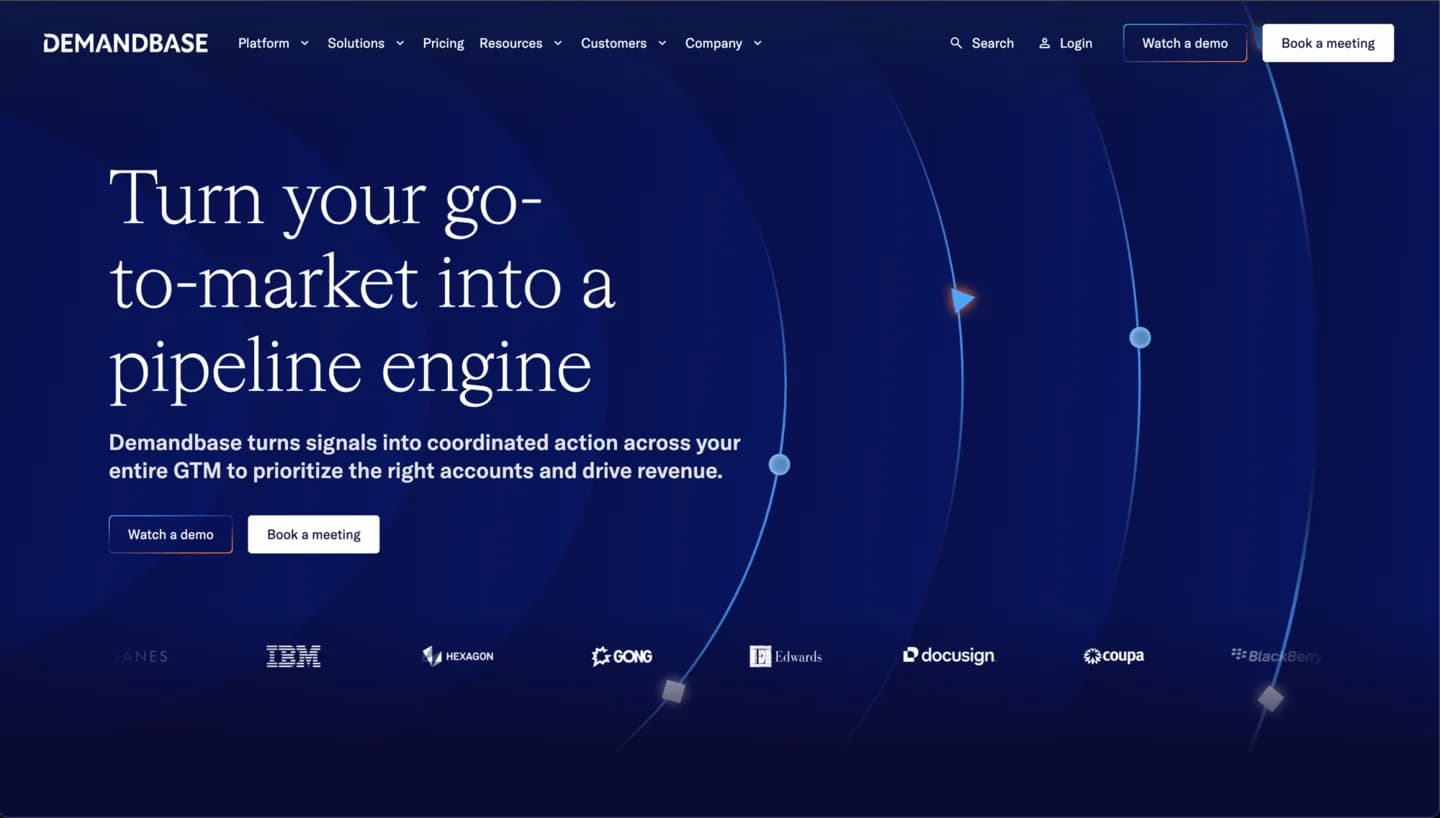
Demandbase One is the ABM platform with an AI agent suite layered on. Useful for B2B revenue teams already on Demandbase; not the right place to start if you are not.
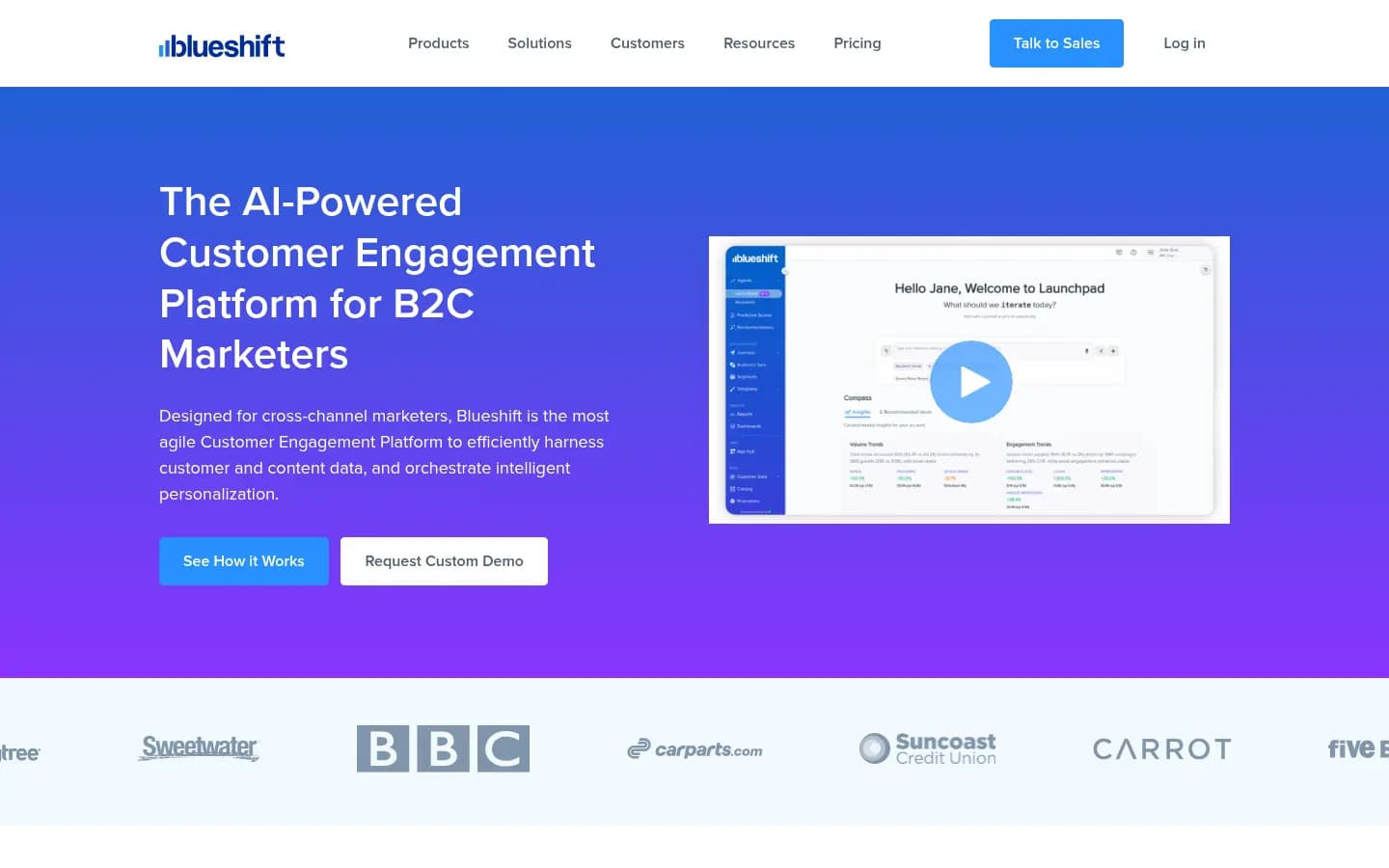
Blueshift owns a useful framing that the rest of the category has started to copy: a five-level spectrum from rules-based automation through AI-assisted automation to truly autonomous agents. Their own product sits in the middle of that spectrum and orchestrates cross-channel campaigns.
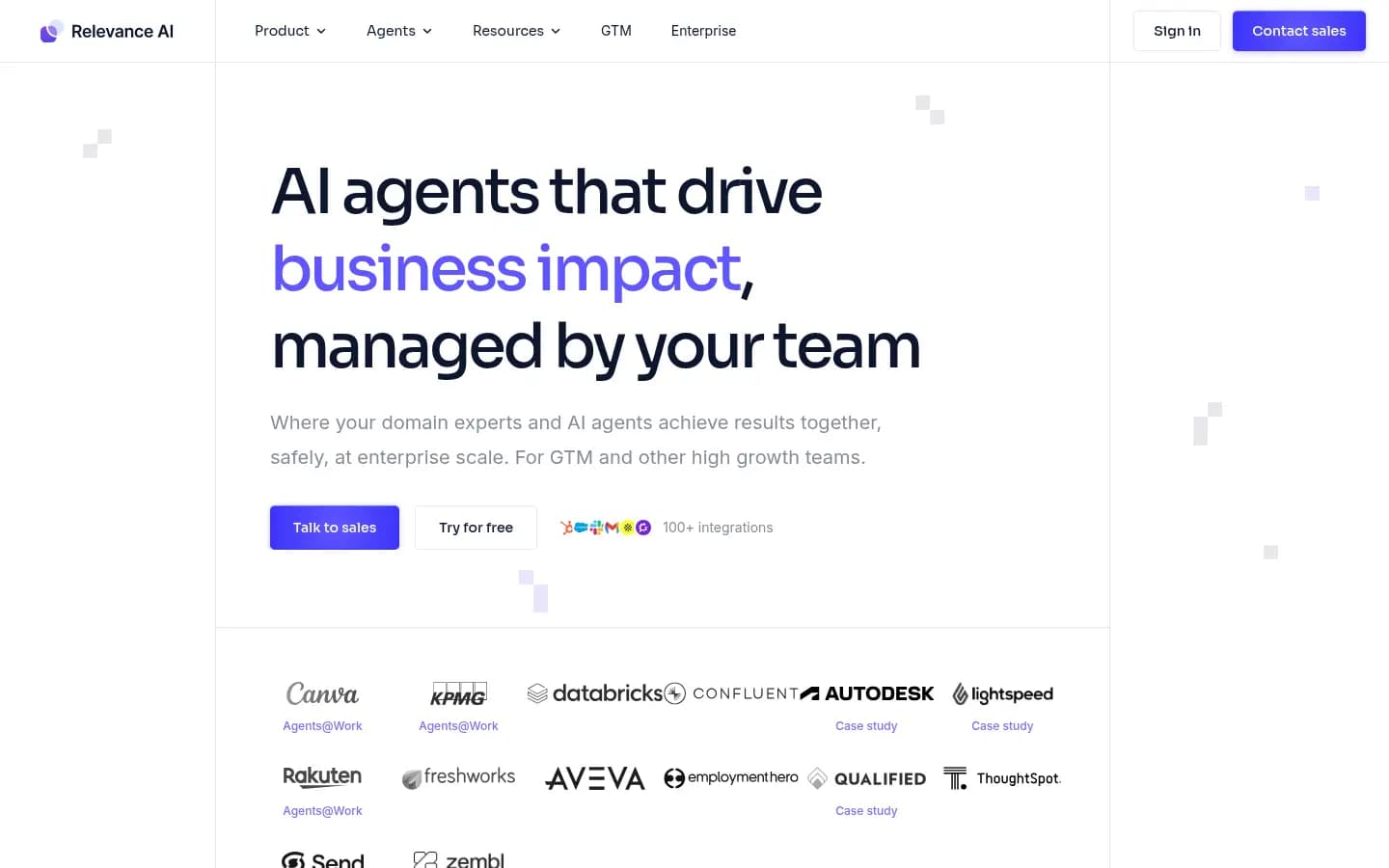
Relevance AI and Gumloop are no-code agent builders. They give you the LEGO pieces to assemble marketing-specific agents but expect you to do the assembly. Useful for teams that want custom workflows; overkill for teams that want an answer to a question.
Channel-specific and attribution agents
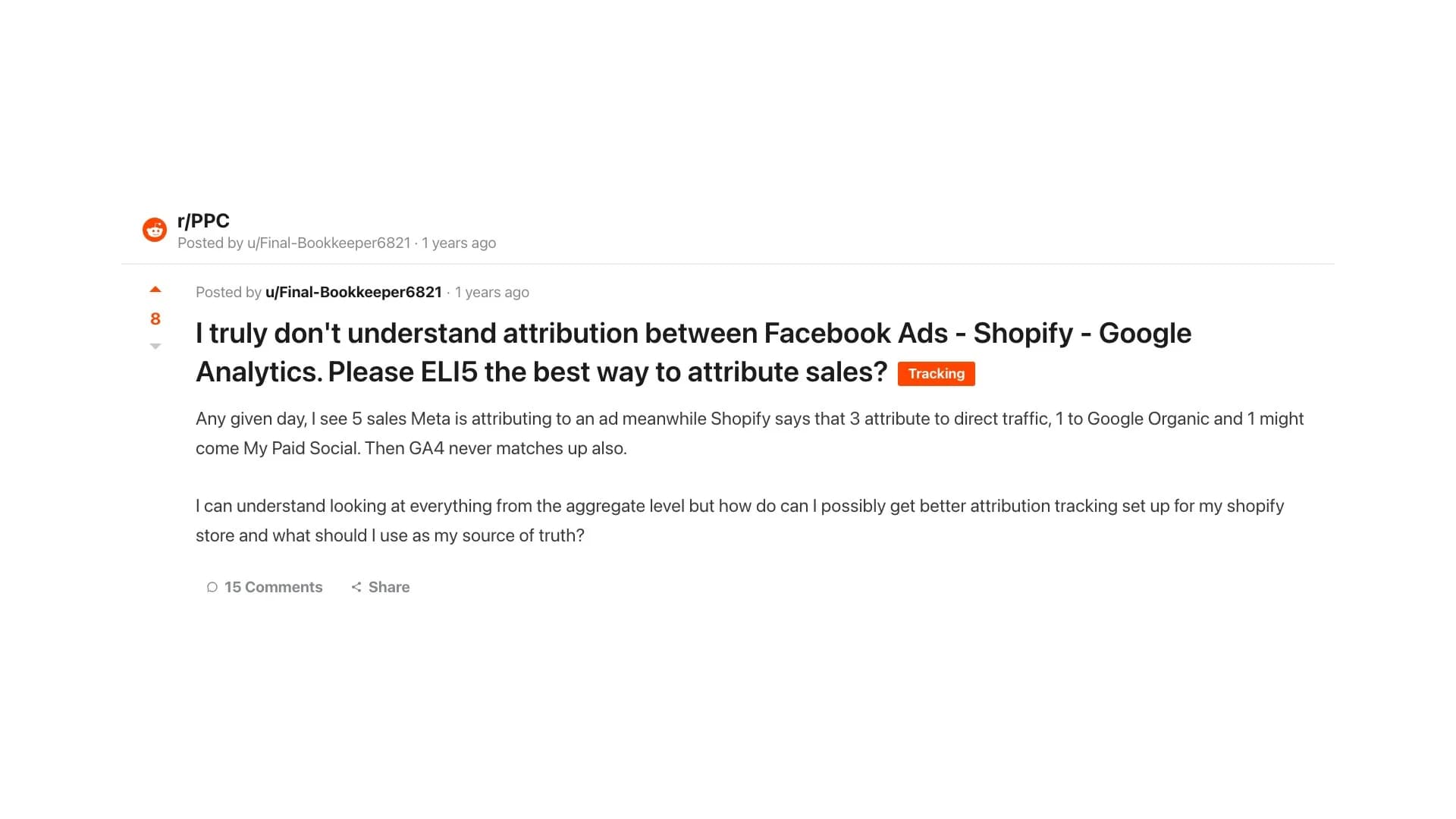
This is the most crowded category in 2026, all attacking the same problem: post-iOS 14, Meta and Google and your CRM all disagree on which ad caused which sale. A marketer on r/PPC summarized the pain perfectly: "I see 5 sales Meta is attributing to an ad meanwhile Shopify says that 3 attribute to direct traffic, 1 to Google Organic and 1 might come My Paid Social."
Sequel is the warehouse-native alternative to a pixel-based attribution tool. Instead of dropping a proprietary pixel on your site, it queries the ad-platform, CRM, and revenue data you already collect. You can ask "which Meta campaigns drove HubSpot opportunities that closed in Stripe last quarter" without leaving your existing stack — and the agent shows you exactly how it joined the three sources. Best for teams that already own their data and would rather not put a vendor between them and it. See the marketing AI agent page.
Triple Whale (Moby AI) is the dominant ecommerce attribution agent. Moby 2 launched in mid-2025 with what Triple Whale called "the first agentic system designed to turn insights into income." Strong Shopify integration, real-time forecasting, deep Meta and Google connector support.
Northbeam sells MMM, multi-touch attribution, and incrementality testing into ecommerce brands spending $250K+ per month on media. ML-powered, expensive, and good at what it does.
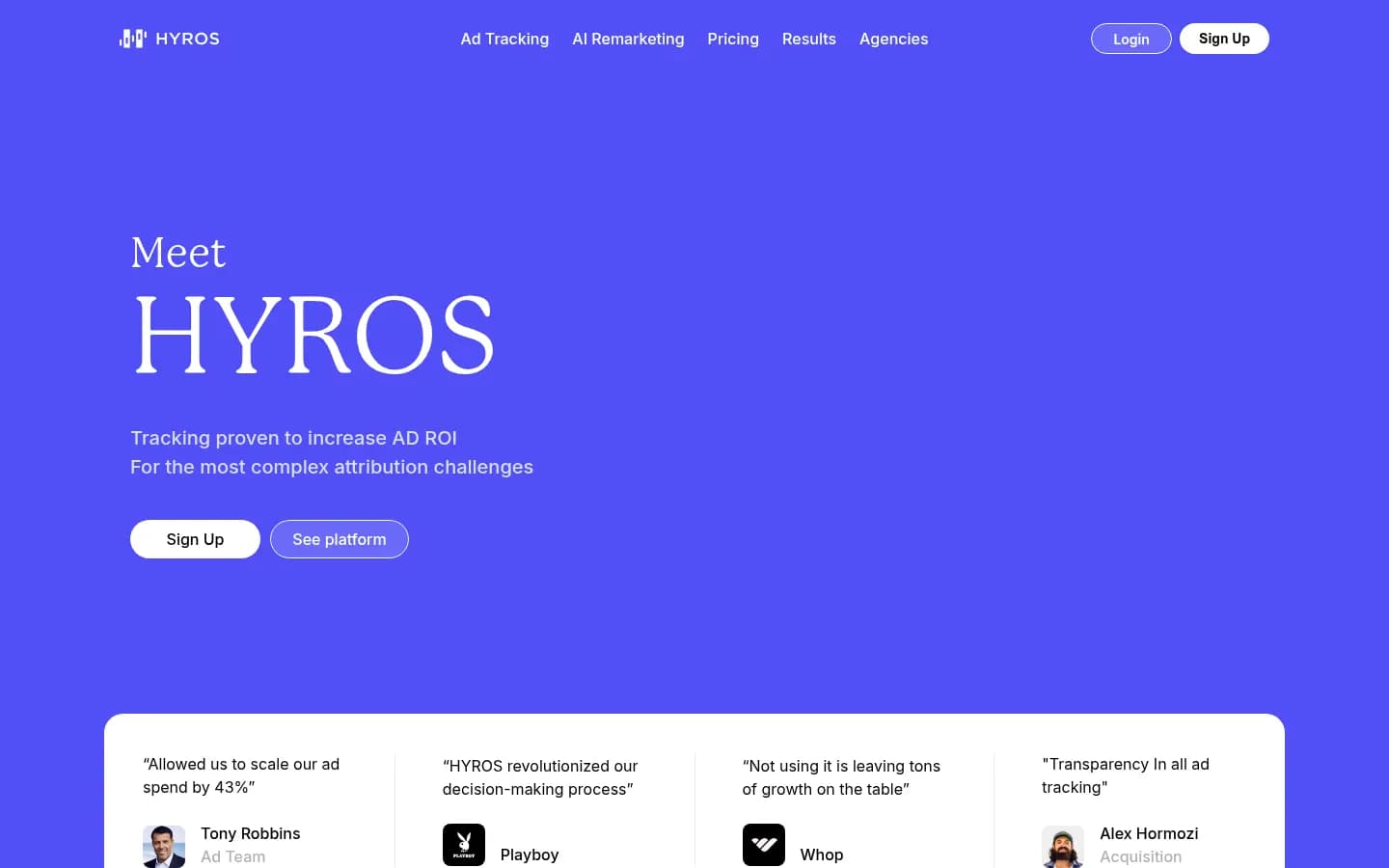
Hyros focuses on AI ad tracking, multi-touch attribution, and AI remarketing. One of the few attribution tools with a published starting price, around $230 per month at the low end. Strong for direct-response info-product and coaching brands.
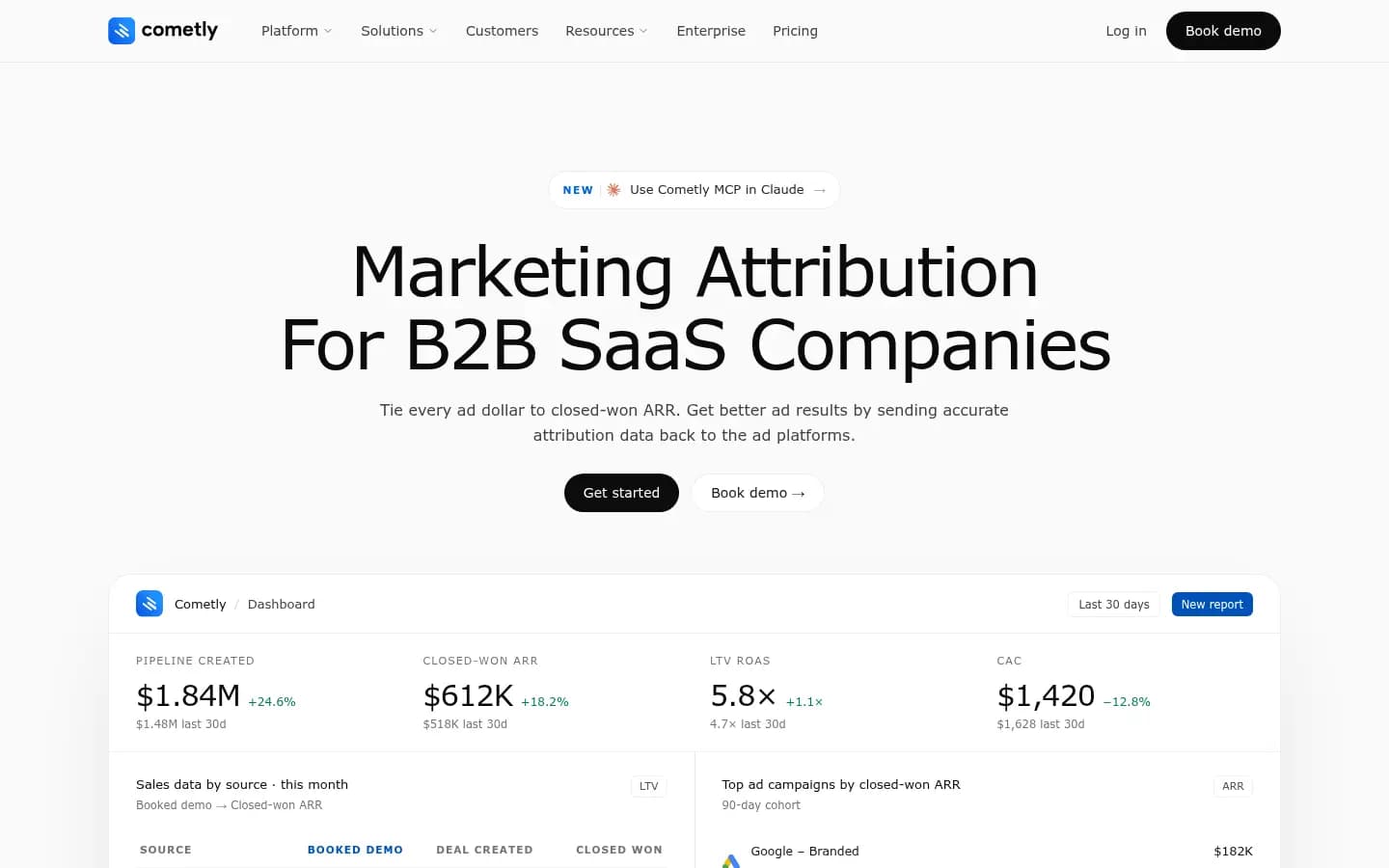
Cometly ties ad spend to closed-won ARR for a hybrid B2B-plus-ecommerce audience. Connects Stripe, HubSpot, Google Ads, and LinkedIn. Worth a look if your motion involves both pipeline and revenue from the same paid channels.
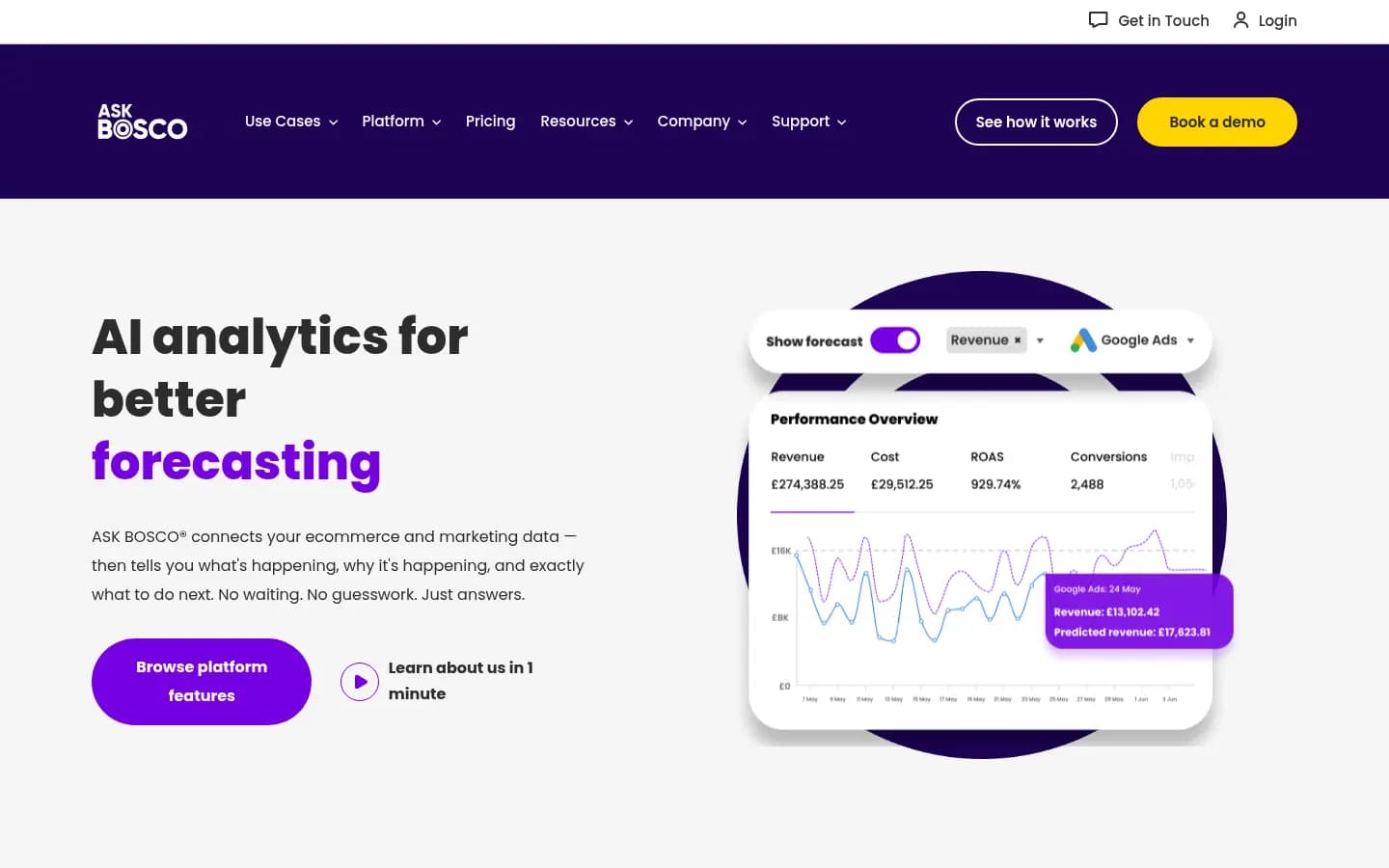
ASK BOSCO targets agencies and retailers with AI reporting and forecasting, and supports natural-language data interrogation. Smaller footprint than Triple Whale but deeper agency tooling.
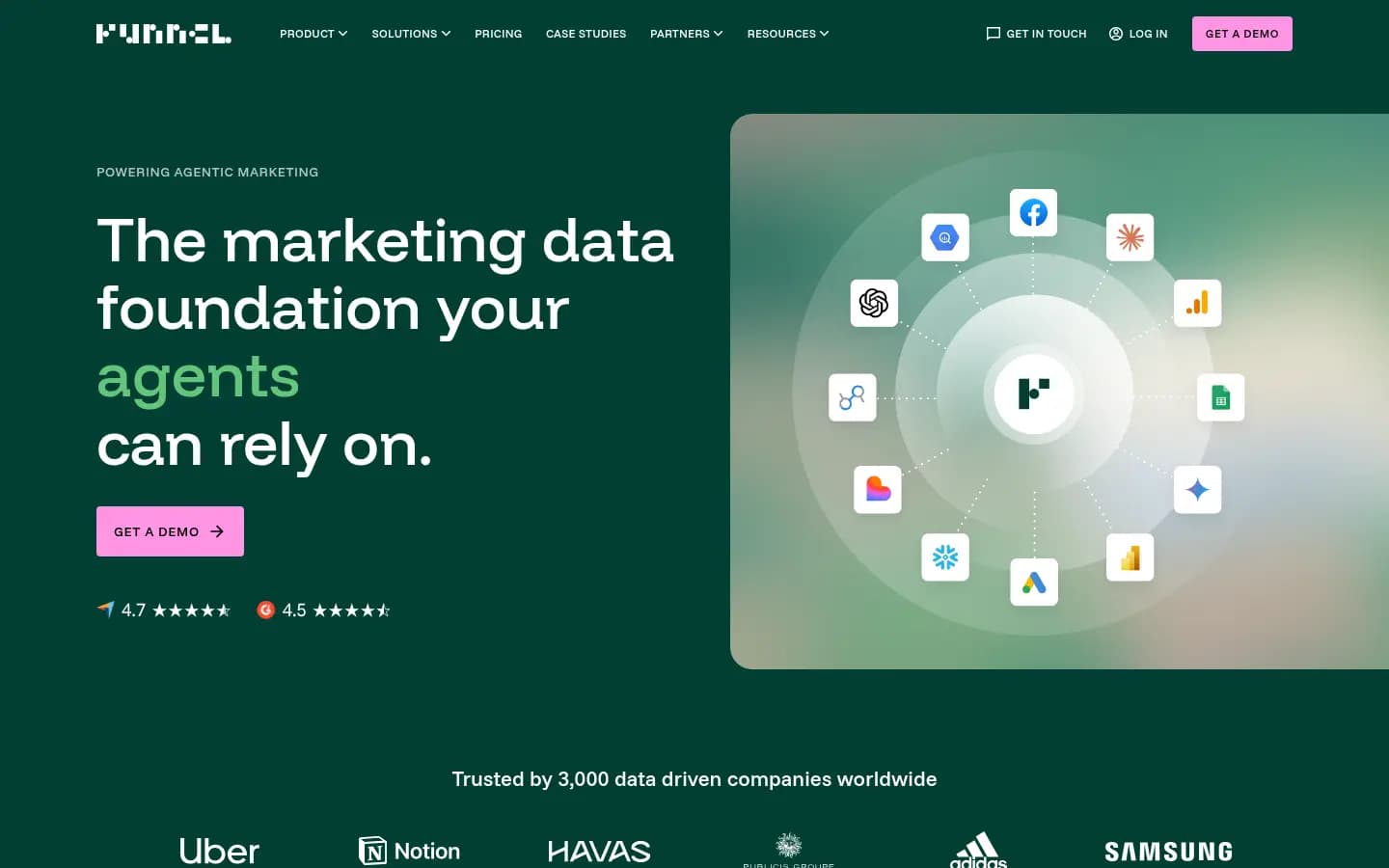
Funnel is the marketing data foundation that grew into a conversational analytics layer. Six hundred connectors, three thousand customers, and a Funnel AI product on top of the pipeline. Strong if you need the underlying pipeline; potentially redundant if you already have one.
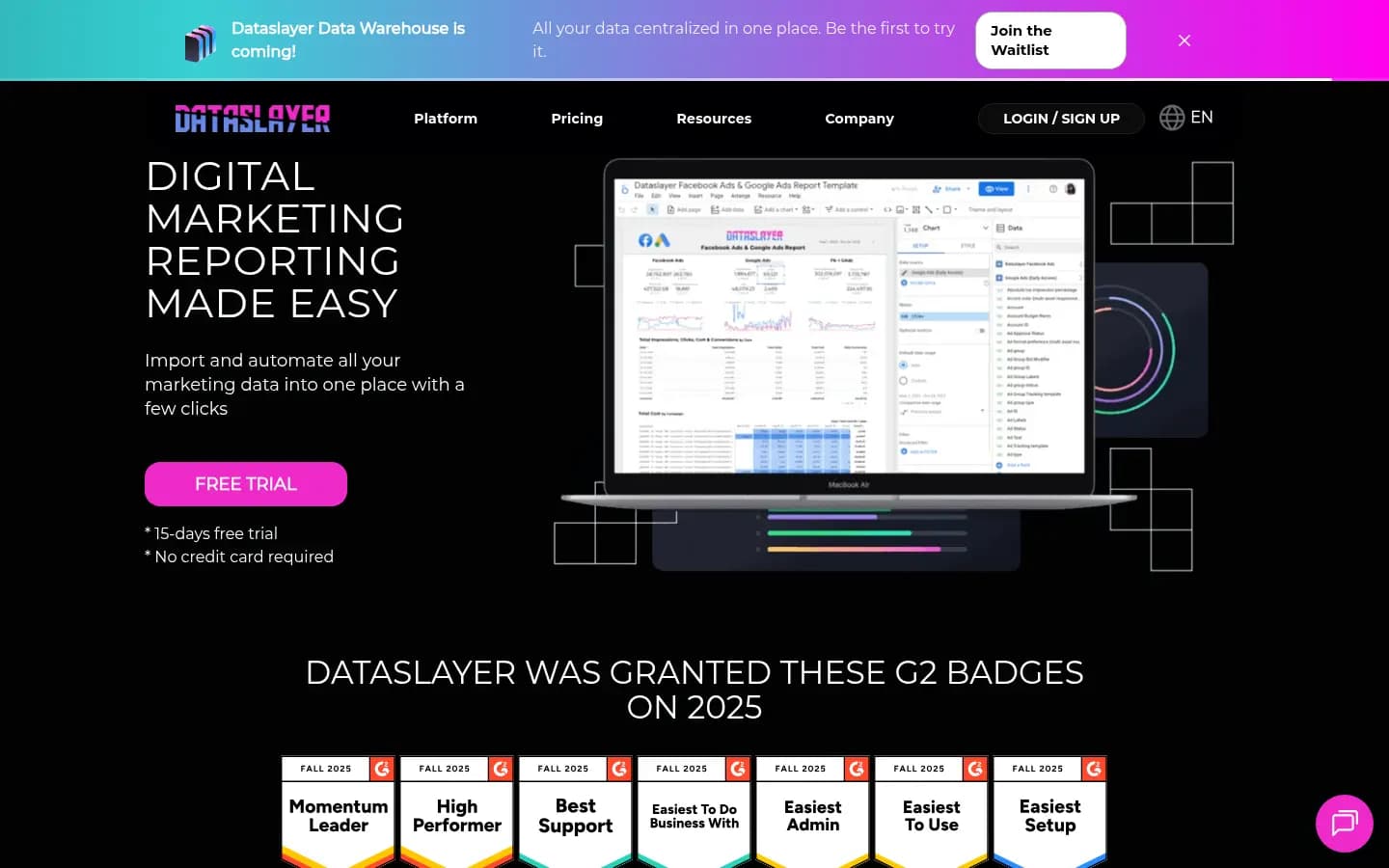
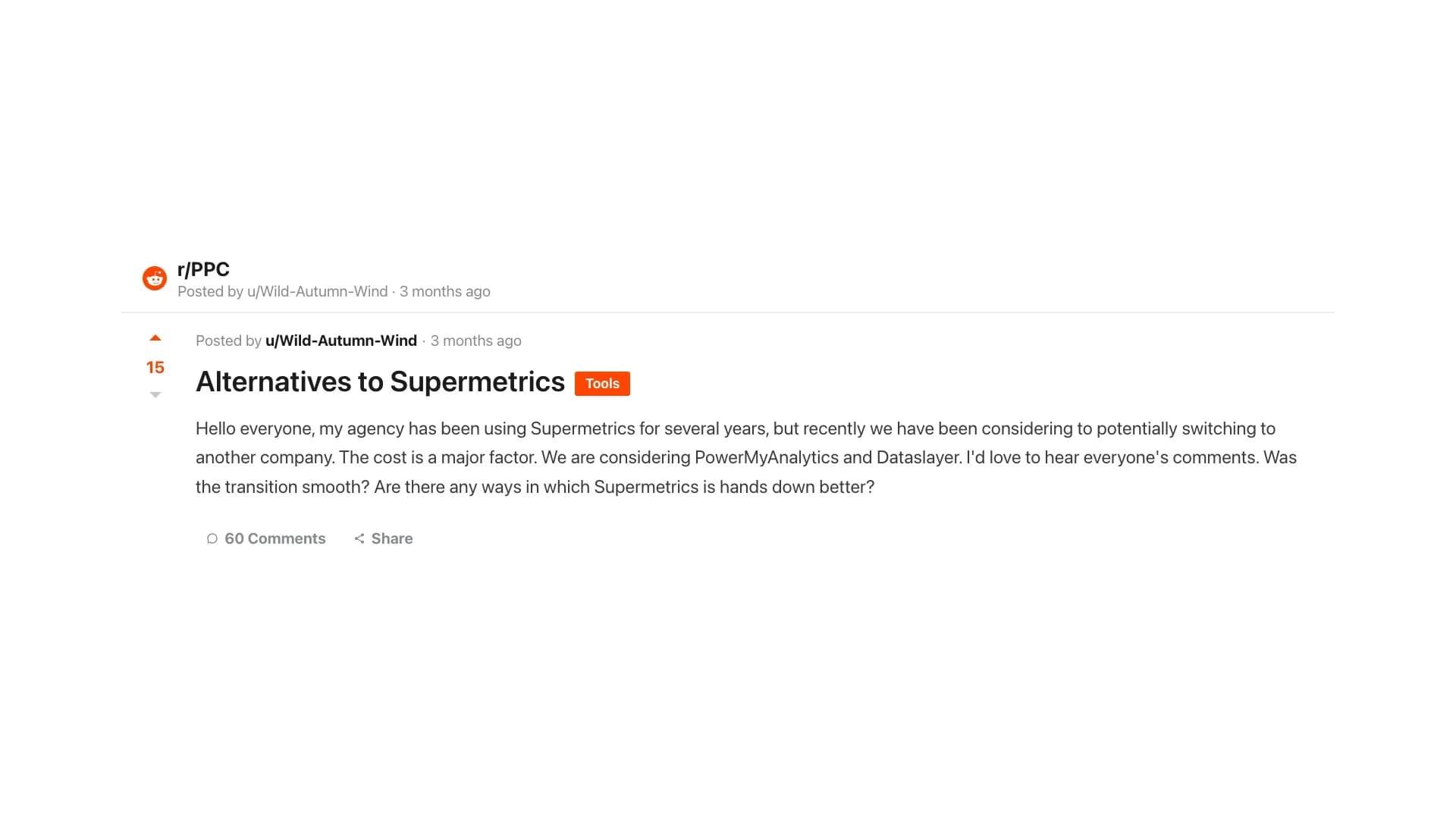
DataSlayer is more reporting-and-connector layer than agent, but shows up in this category because marketers cite it as the affordable alternative to Supermetrics. One r/PPC commenter wrote: "We switched from SuperMetrics to DataSlayer. Hardly noticed the change but found a big decrease in cost."
BI and data-analyst copilots that marketers use
This category is not marketing-specific but shows up in every roundup because marketers borrow these tools when they have a warehouse.
Sequel is a warehouse-native AI data analyst that marketers can actually use without going through their data team. It connects to BigQuery, Snowflake, Redshift, ClickHouse, Postgres, and MySQL directly — plus the marketing tools above the warehouse — and answers cross-source questions in plain English without an upstream modeling layer. Strongest fit for teams that have a warehouse and want answers today rather than after a quarter of LookML or dbt work. We covered the broader category in our best AI data analyst tools roundup.
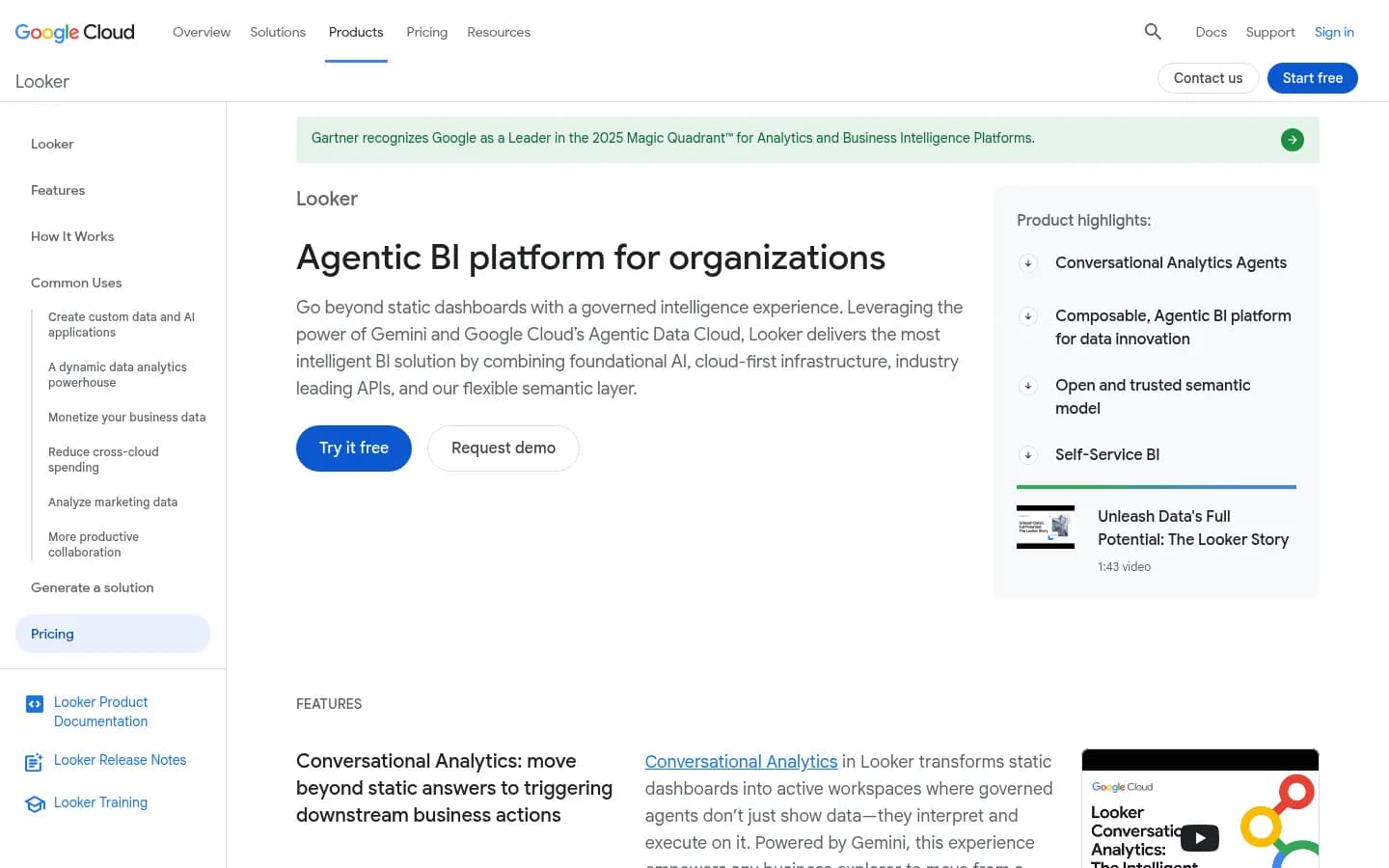
Looker with Gemini turns natural-language questions into LookML-aware queries and supports Looker data agents. Powerful if you already invested in Looker modeling; the LookML layer is a prerequisite.
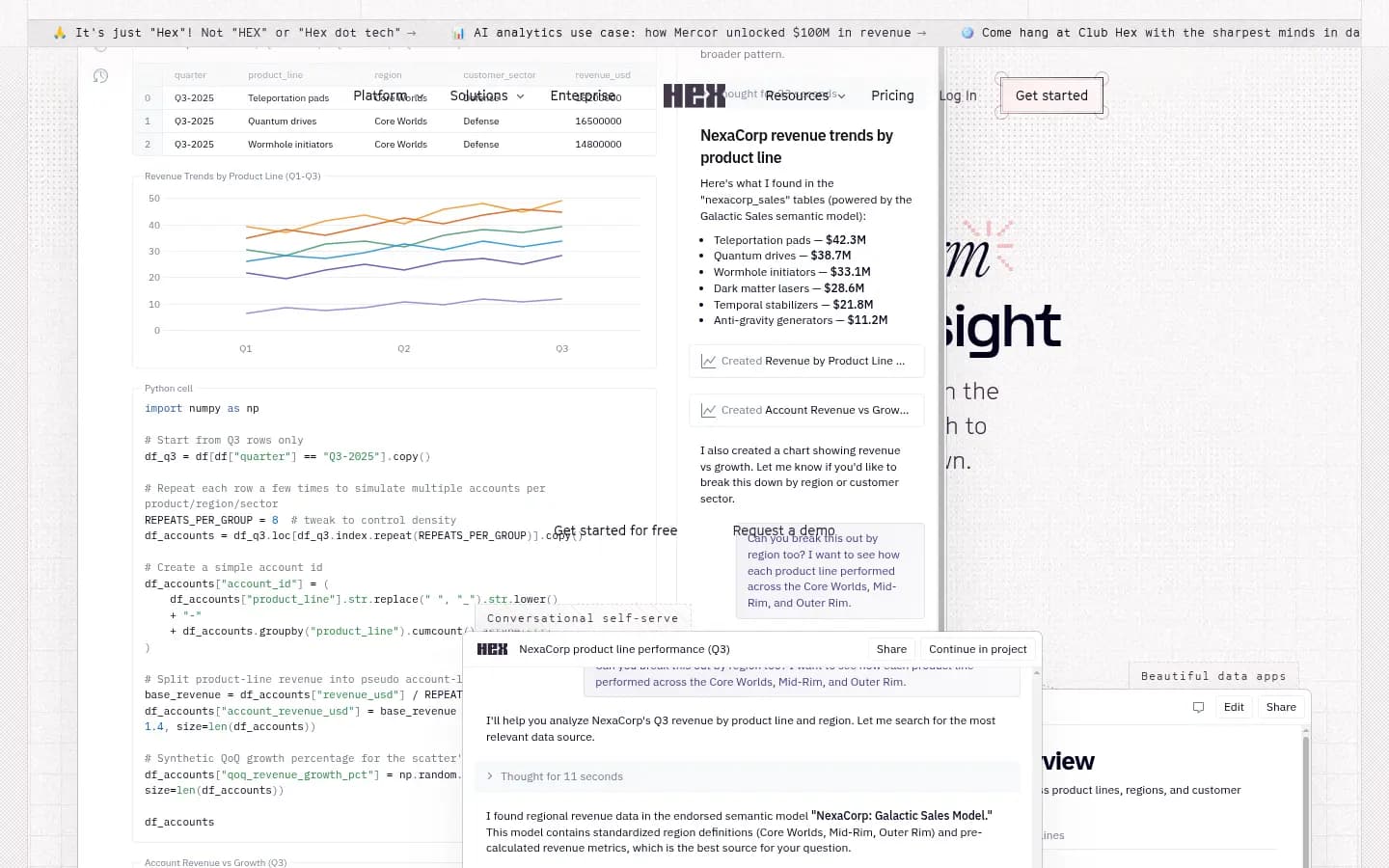
Hex sells agentic notebooks plus a Context Studio for governed AI answers across SQL and Python. Strong if your team is technical and warehouse-native. We compared the two directly in our Hex vs Sequel breakdown.
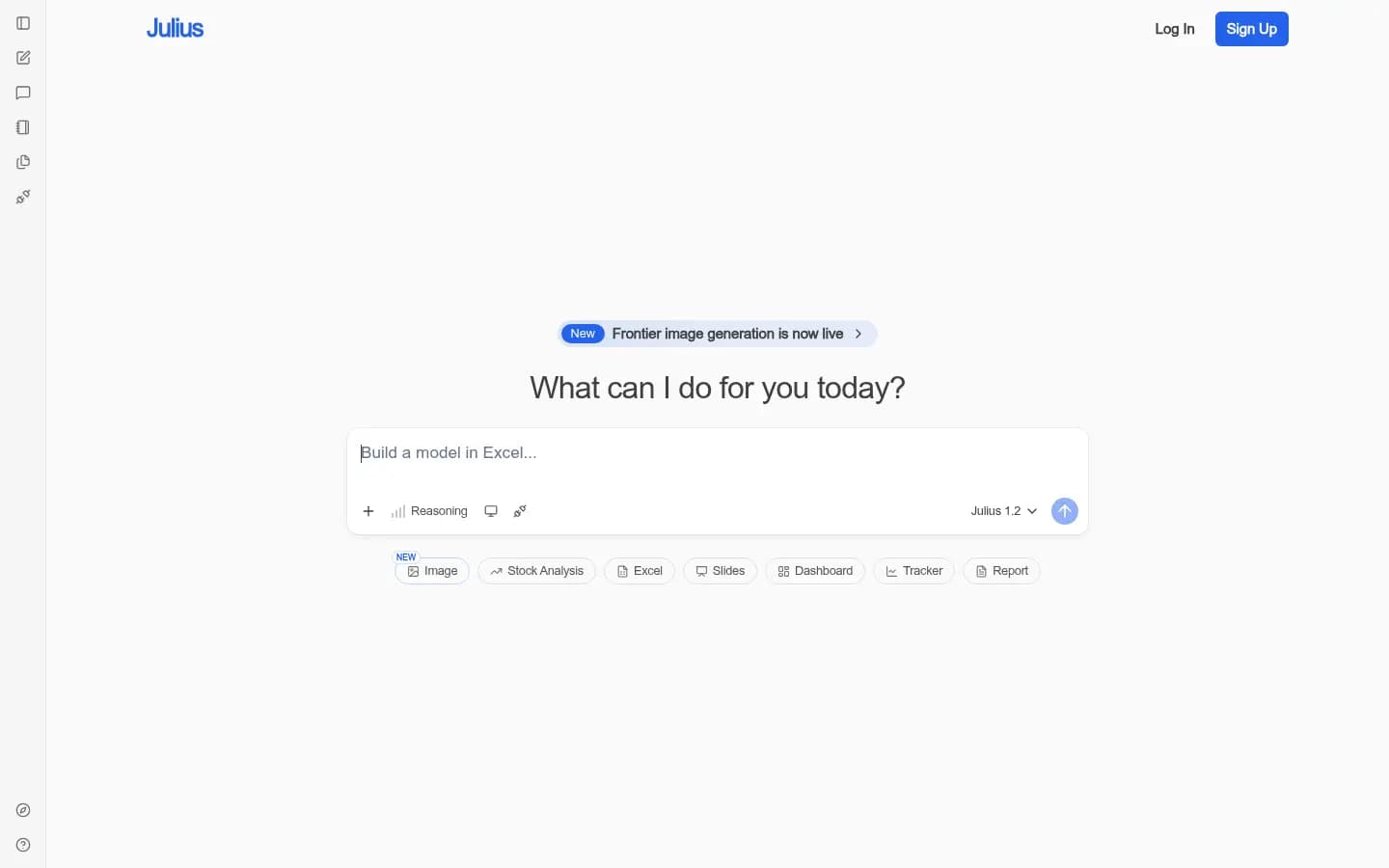
Julius AI has a dedicated marketing-AI landing page and does NL data analysis, forecasting, and chart generation, with a free tier. Limited connector depth compared to dedicated marketing tools. See our Julius vs Sequel comparison.
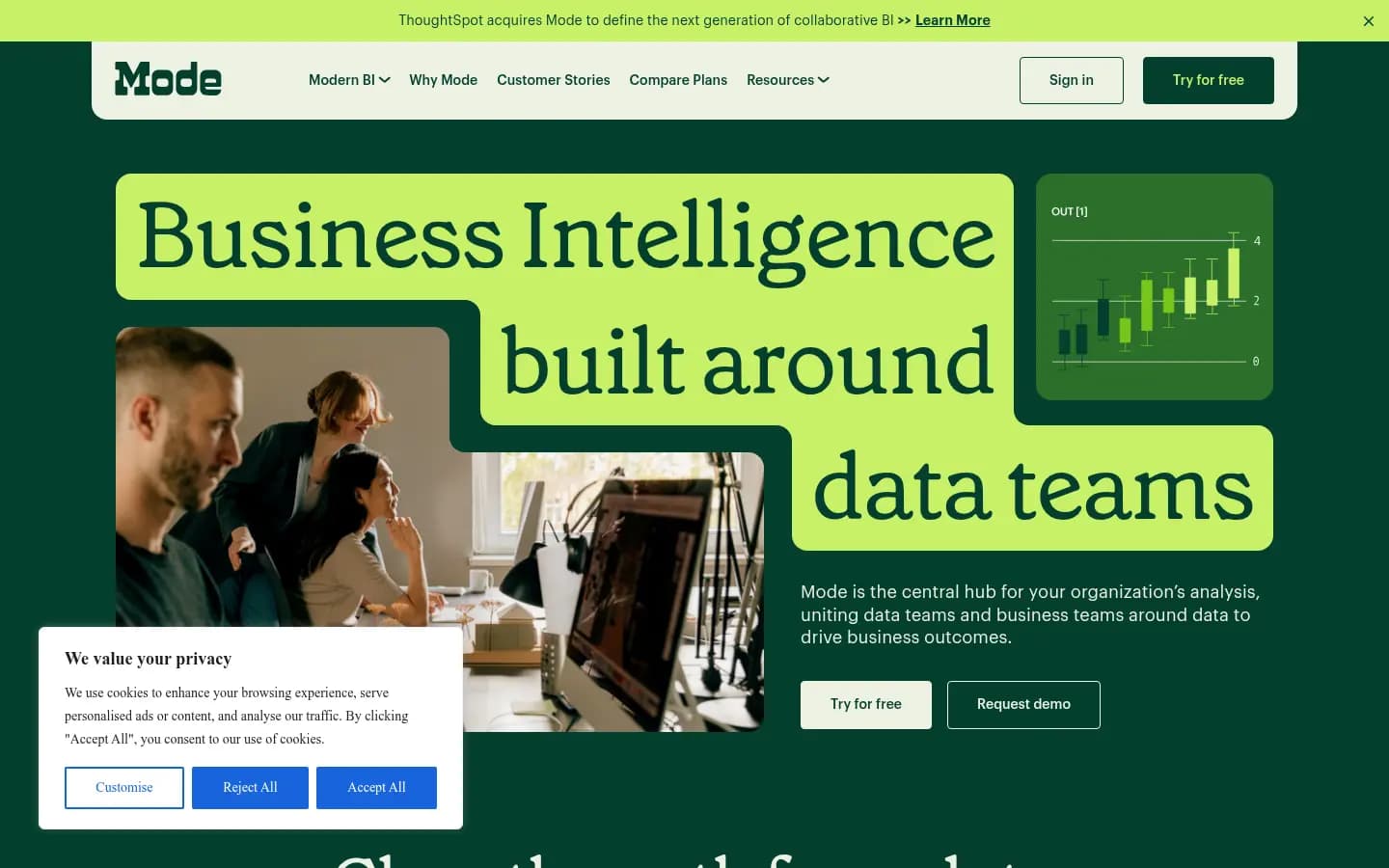
Mode AI Assist is the NL-to-SQL feature inside Mode notebooks. Useful for Mode customers; not a category-leader on its own.
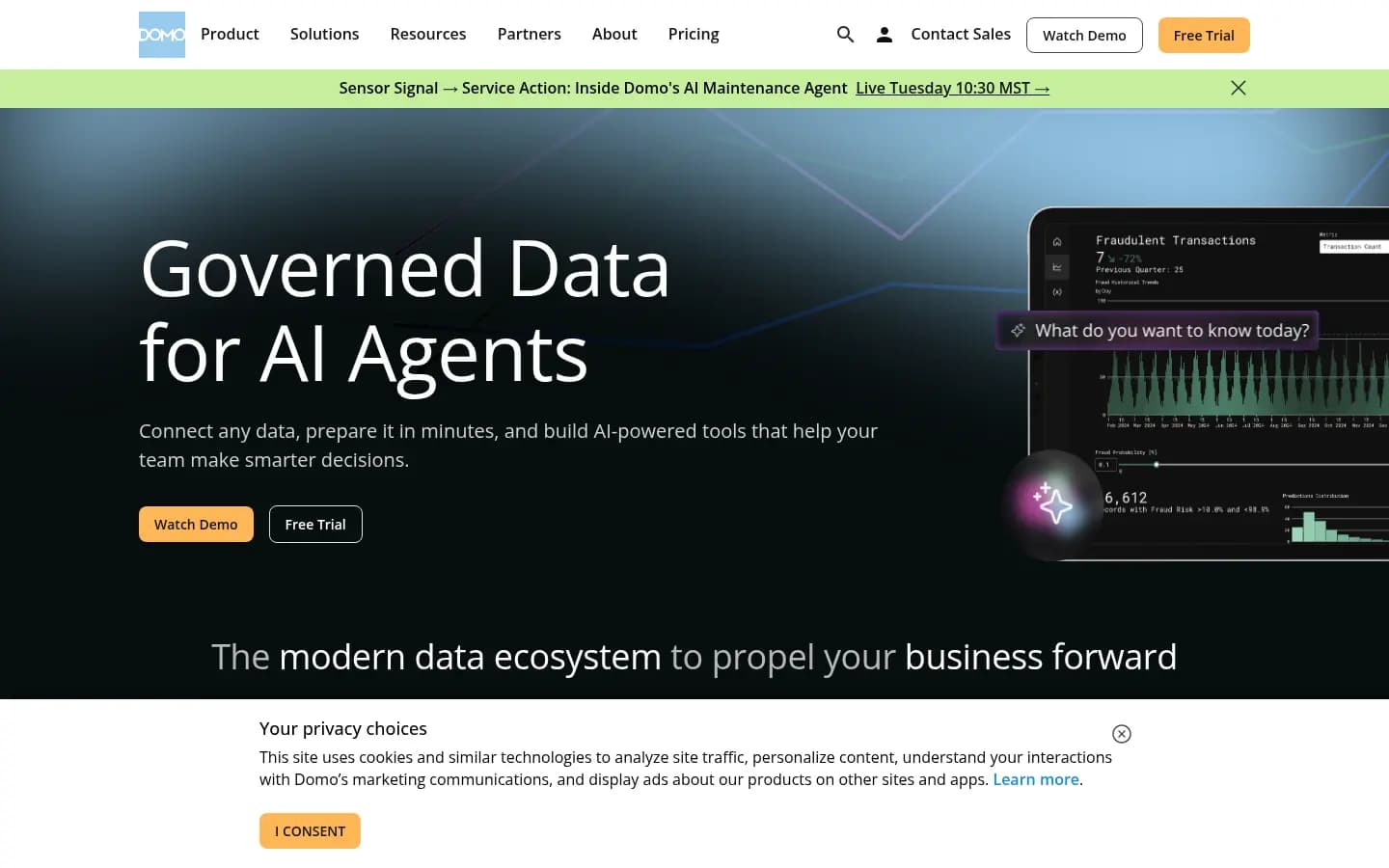
Domo AI Assistant is text-to-SQL inside Domo BI. Same dynamic as Mode and Looker: powerful if you live in Domo, not relevant otherwise.
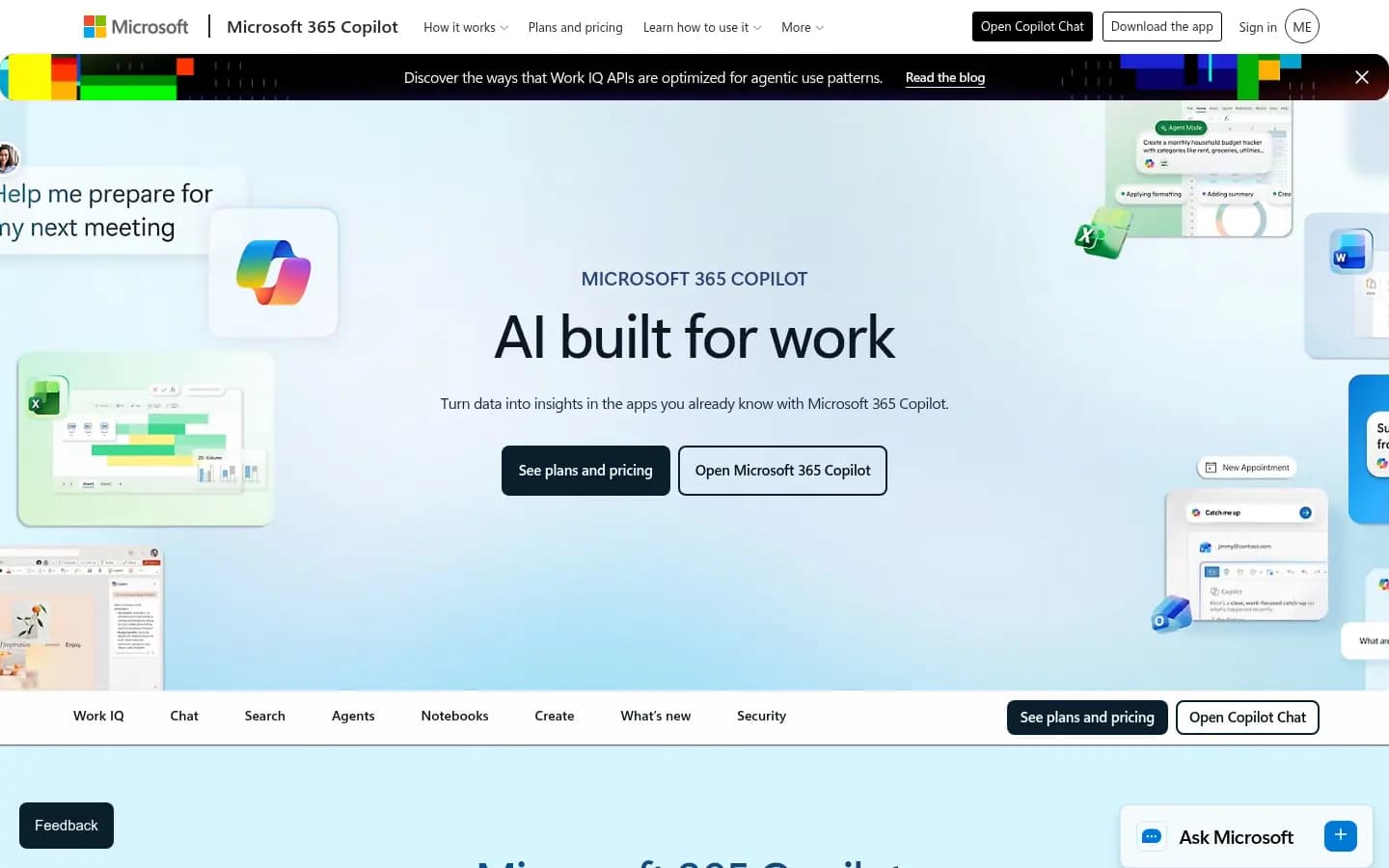
Microsoft 365 Copilot surfaces Power BI and Dynamics data through general-work AI at thirty dollars per user per month. The general-purpose framing means it can answer marketing questions, but the marketing-specific context has to be modeled in upstream.
For a broader comparison across this category, see our roundup of the best AI data analyst tools and our AI data analyst vs BI tools breakdown.
Vertical agents
Tools optimized for one motion and one customer profile.
Sequel is the explicitly non-vertical option in this category. Where the tools below fit one motion deeply, Sequel queries across whatever sources you have — ecommerce, B2B SaaS, hybrid, agency — and answers questions without forcing a vertical-specific data model. Useful when your motion is evolving, when you have both ecommerce and B2B revenue, or when you don't want lock-in to one vendor's worldview. Sign up free and point it at whatever sources your motion actually uses.
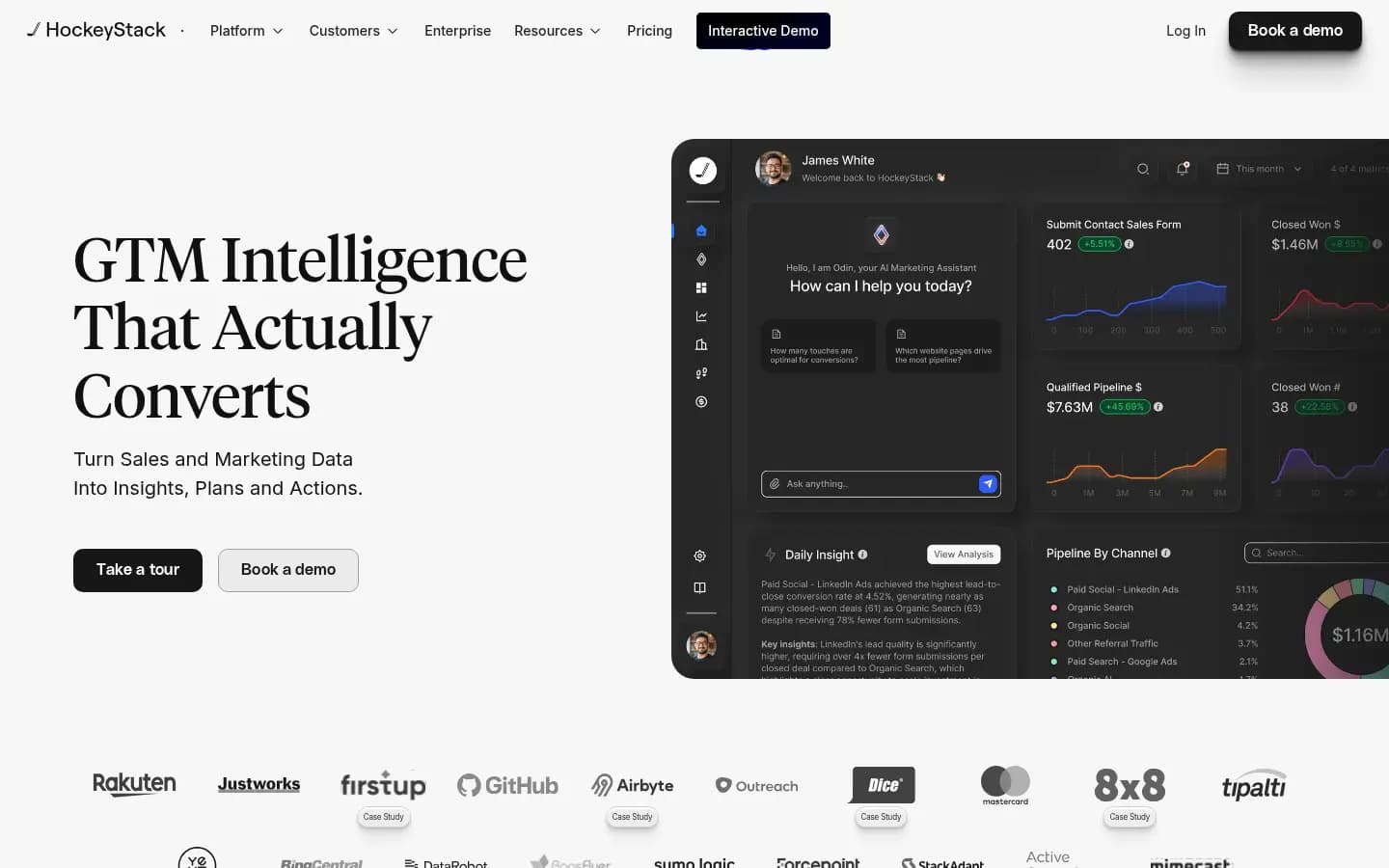
HockeyStack (Odin AI Analyst and Nova) is the most defensible warehouse-native B2B GTM agent in the category. It unifies marketing, product, and sales data through Salesforce, HubSpot, Snowflake, and BigQuery via APIs, SDKs, and reverse ETL. Usage-based pricing. The catch is the deep B2B-only fit: if you are an ecommerce brand, it is not the right shape.
Blaze focuses on AI content production with over a hundred marketing workflows. Strong for high-volume content marketing teams.

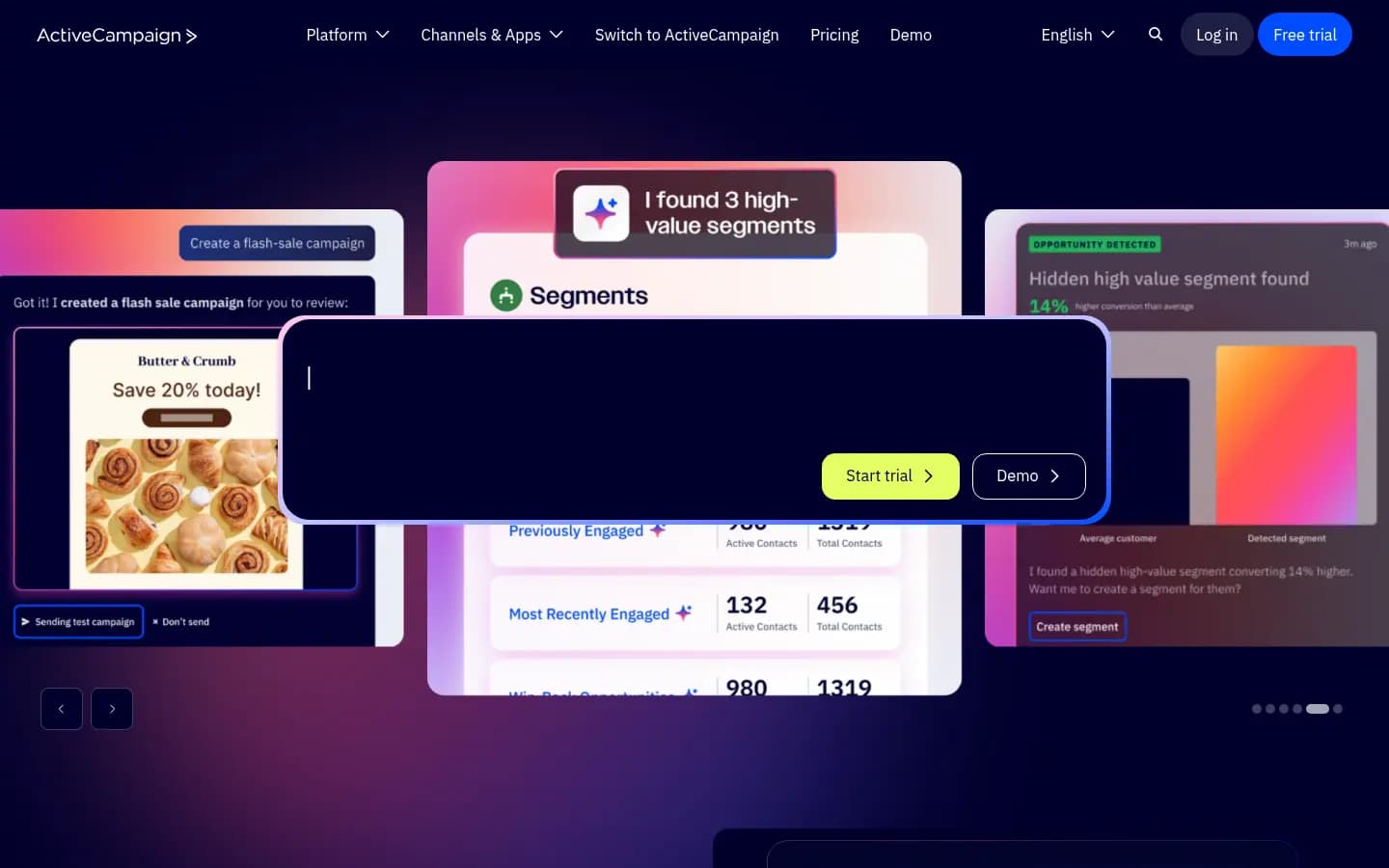
ActiveCampaign AI layers AI into ActiveCampaign's lifecycle email automation. Useful for ActiveCampaign customers; not a tool you buy separately.
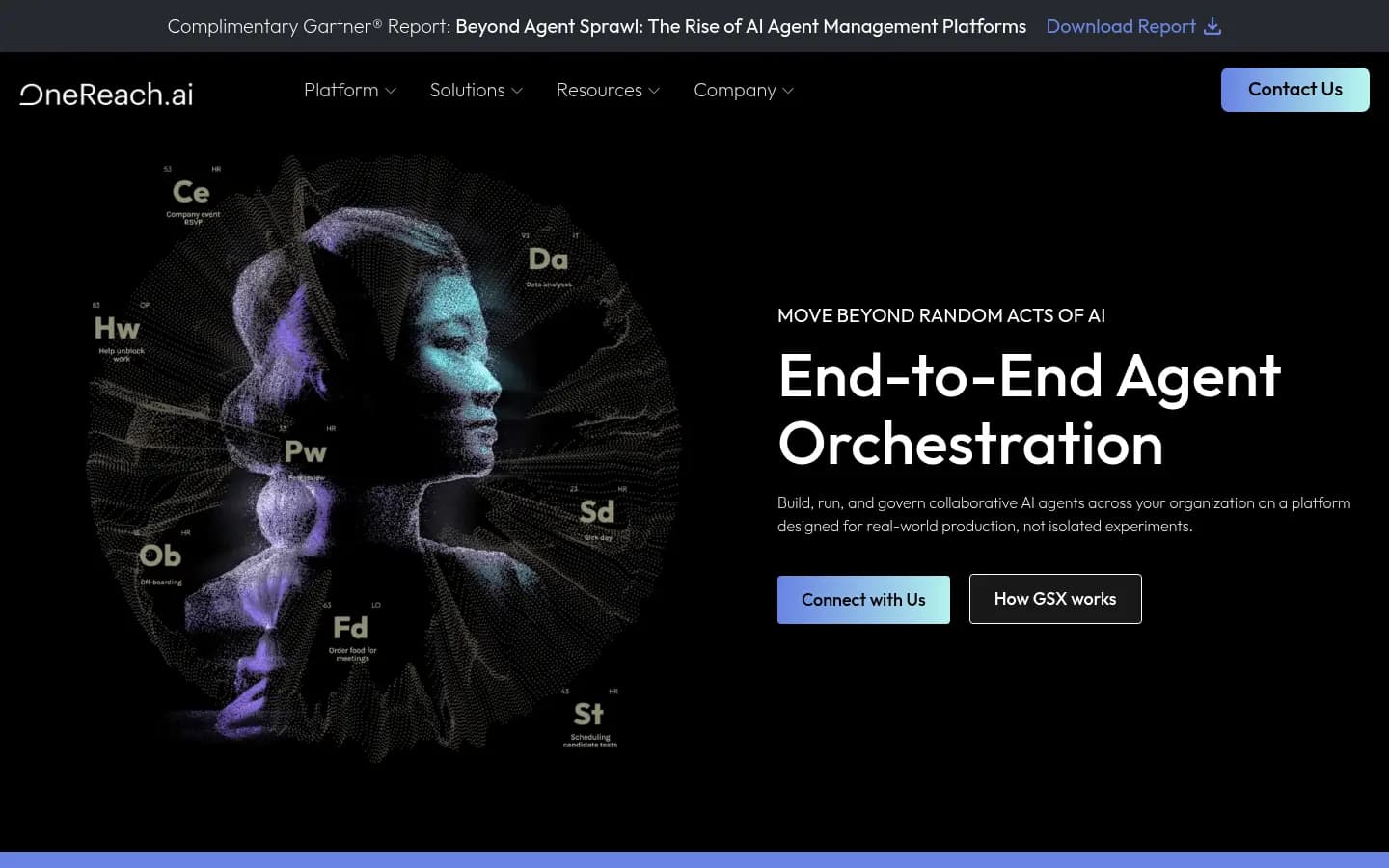
OneReach.ai is conversational design plus analytics, with Gartner recognition in the AI-agents-for-marketing market. Specialized; worth a look if conversational interfaces are a strategic bet.
Who should buy what
A rough decision tree.
- Ecommerce brand, $100K+/mo media spend, Shopify-native: start with Triple Whale or Northbeam. Add a warehouse-native agent (Sequel) once your data team wants joins beyond what the proprietary pixel covers.
- B2B SaaS, Salesforce or HubSpot heavy, long sales cycle: evaluate HockeyStack or Tofu. Both are deep B2B; the differentiator is whether you need the warehouse-native composability.
- Mid-market team, mixed channels, warehouse already in place: start with a warehouse-native agent (Sequel) plus your existing BI tool. The warehouse is the only place your marketing data unifies anyway.
- Enterprise marketing org, dedicated MarTech team: look at Improvado, Salesforce Agentforce, or Demandbase, depending on which platform you already standardized on.
- Solopreneur, small team, ad-hoc questions: Julius free tier plus Sequel on the warehouse if you have one, or HubSpot Breeze if you live in HubSpot.
What we built Sequel for
Sequel is a channel-agnostic, warehouse-native marketing AI agent. It connects to GA4, Google Search Console, Google Ads, Meta Ads, HubSpot, Stripe, Mixpanel, Amplitude, BigQuery, Snowflake, Redshift, ClickHouse, Postgres, MySQL, MongoDB, and more. You ask a question in plain English, the agent writes the SQL or API call, runs it against your data, and shows you the answer with the query exposed.
The two design choices that make it different from most tools above:
Warehouse-native, not pixel-native. We do not run a proprietary pixel or store your customer records. You bring your warehouse, your CRM, and your ad platforms, and Sequel queries them where they live. That is what makes it work for both ecommerce and B2B without a vertical bias.
Read-only by default, with every query exposed. Marketers and their security teams both get a clean answer to "what is the agent doing to my data," which matters more in 2026 as agents start to gain write permissions inside ad platforms. Our secure database AI agents guide goes deeper on the access pattern.
If you want a one-question evaluation: pick the single hardest marketing question your team could not answer last quarter, connect the relevant source, and ask Sequel. The bar for buying a marketing AI agent should be whether it answers the questions your current stack cannot. Get started free and put your hardest marketing question to it.
Use Sequel from Claude Code (or any MCP client)
If you already use Claude Code, you can connect Sequel's MCP server with a single command:
claude mcp add --transport http sequel https://api.sequel.sh/mcp \
  --header "Authorization: Bearer sql_your_api_key"
Claude Code now has read-only access to every source connected to your Sequel workspace — GA4, HubSpot, Stripe, Google Ads, Meta Ads, your warehouse, and the rest — so you can ask cross-source marketing questions from inside the editor without leaving your existing workflow. Auth, schema introspection, and read-only safety are handled by Sequel.
For Cursor, ChatGPT, or any other MCP-aware client, see the full Sequel MCP server guide.